

Many temples in India hold deep spiritual value, and this sacred site is one of them. People visit it for peace, prayer, and connection with tradition. The stories around it show how faith shapes communities and daily life.
The temple is not just a place of worship. It also reflects culture, history, and devotion. Visitors often feel calm when they enter the complex and take part in simple rituals.
History of Chandi Temple
Many historians believe that Chandi Temple was built centuries ago by local rulers who wished to honor the divine feminine power. Old records and oral stories say that the spot was once a site where sages meditated and performed sacred chants.
Over time, Chandi Temple became a center of devotion for nearby villages and travelers. People brought offerings and gathered for seasonal prayers that marked important moments in their lives.
Religious Beliefs and Legends
Devotees share many stories about the origins of the shrine. Some believe that the goddess protected the local population from natural calamities and enemies. These tales show how faith and gratitude grew with each generation.
Worshippers say that prayers at Chandi Temple help them overcome fear and seek blessings for family and health. They feel that the goddess listens to even the simplest requests made with trust.
Architecture and Design
The temple structure reflects traditional building styles seen in many ancient shrines. It often includes stone pillars, carved symbols, and a dome or tower that marks the sanctum.
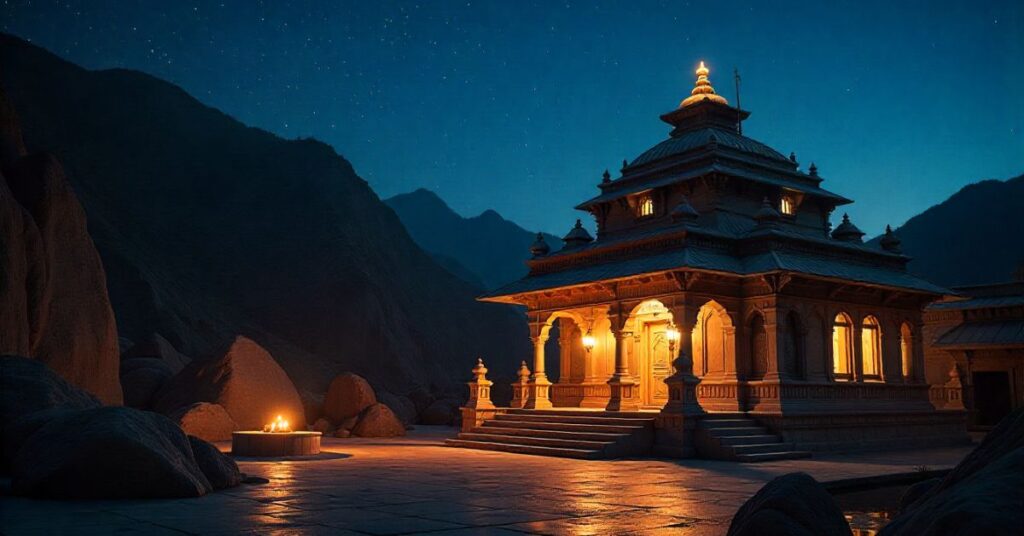
Many artisans worked with devotion to shape the walls and pathways. The calm surroundings allow pilgrims to walk, reflect, and observe ritual spaces in silence. Some parts have been restored to keep the heritage alive, and Chandi Temple remains a visual reminder of earlier craftsmanship.
Festivals and Rituals
Seasonal celebrations attract families, priests, and tourists. People offer flowers, sweets, and lamps during special days that honor the goddess. Music and chants fill the area, and elders guide children in prayer.
A long table below shows common details related to festival times, rituals, and visitor needs:
| Aspect | Details |
| Main Deity | Goddess associated with strength and protection |
| Major Festival | Navratri |
| Peak Visiting Months | March, April, September, October |
| Temple Timings | Early morning to evening (varies by region) |
| Common Offerings | Flowers, lamps, fruits, sweets |
| Prayer Rituals | Aarti, chanting, and simple hand offerings |
| Nearby Services | Small shops, water points, local guides |
| Dress Suggestions | Modest clothing for men, women, and children |
| Entry Cost | Usually free or minimal donation-based |
| Volunteer Activities | Cleaning, guiding visitors, helping during festivals |
Chandi Temple also sees long lines during festive seasons, and local authorities often assist with crowd management to maintain order and respect for traditions.
Visitor Experience and Travel Tips
Visitors find the surroundings peaceful and welcoming. Local priests explain customs to first-time guests, and many families visit together to feel closer to their roots.
Travelers are advised to carry water, follow dress codes, and remove footwear before entering inner areas. Photography rules differ, so it is best to ask before taking pictures.
Cultural Role in the Community
Local festivals support artisans, small vendors, and transport workers. Nearby residents often help with decorations and food distribution during major events.
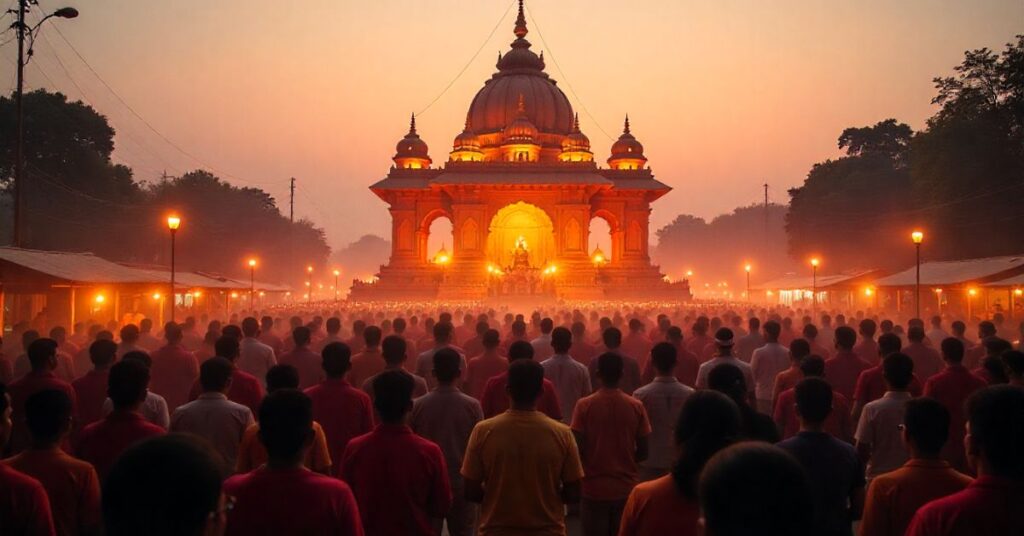
Elders share stories with younger generations to sustain cultural identity. This sense of shared heritage strengthens the bond between people and their faith.
Conclusion
The temple stands as a symbol of devotion, tradition, and cultural memory. Every visit offers a chance to reflect on life and learn from ancient practices.
Faithful followers believe the power of the place continues through simple prayer, kind actions, and respectful rituals, making it an enduring part of collective belief.
FAQs About Chandi Temple
Q1. What is the main deity of Chandi Temple?
The temple is dedicated to Goddess Chandi, who is worshipped as a form of divine strength and protection in Hindu beliefs.
Q2. Why is Chandi Temple spiritually important?
It is believed that the goddess blesses devotees with courage, peace, and prosperity. The temple also reflects the cultural traditions passed down for generations.
Q3. What is the best time to visit Chandi Temple?
The best time to visit is during Navratri and the months of March, April, September, and October when festivals take place.
Q4. What rituals are performed at Chandi Temple?
Common rituals include daily aarti, chanting, lamp lighting, and offering flowers, fruits, and sweets to the goddess.
Q5. Is there any entry fee at Chandi Temple?
Most Chandi Temples are free to enter, though some may accept small donations for maintenance and rituals.
Q6. Can tourists visit Chandi Temple?
Yes, the temple is open to devotees and tourists.
Q7. What makes the architecture of Chandi Temple unique?
It features traditional carvings, stone structures, and peaceful surroundings that reflect ancient craftsmanship and spiritual symbolism.

Hamza Ahmed is a skilled SEO expert specializing in the travel industry. He helps travel brands grow online through smart content and search strategies.